Wellthcraft
How to Build a Balanced Plate Without Counting Calories
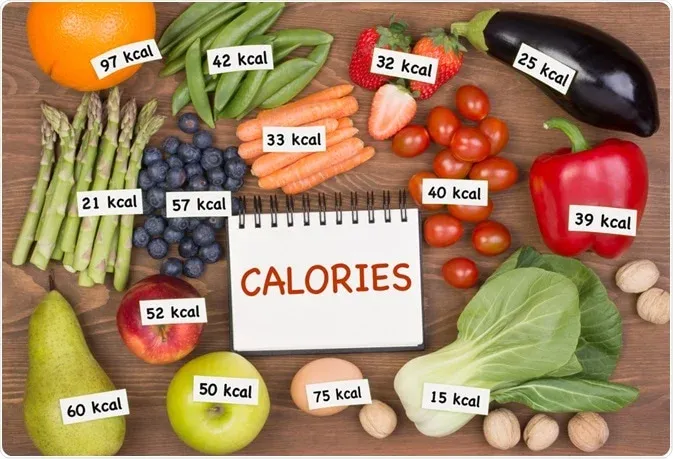
For many, the path to healthy eating feels like a part-time job involving spreadsheets, kitchen scales, and the constant stress of logging every almond into an app. While calorie counting works for some, it often leads to burnout, an unhealthy obsession with numbers, and a disconnected relationship with food.
The good news? You don’t need to be a math whiz to fuel your body effectively. By focusing on plate composition and food quality, you can manage your weight, boost your energy, and improve your health—all while keeping your phone in your pocket.
The Philosophy of the "Balanced Plate"
The goal of a balanced plate isn't restriction; it’s synergy. When you combine the right macronutrients, you regulate your blood sugar and manage your hunger hormones (like ghrelin and leptin). Instead of focusing on what to subtract, focus on what to add.
Why Ditching the Scale Works?
Counting calories tells you the quantity of energy, but it says nothing about the quality. For example, 200 calories of gummy bears will spike your insulin and leave you hungry in thirty minutes, whereas 200 calories of Greek yogurt and berries will keep you full for hours. By using visual cues, you prioritize satiety over simple arithmetic.
Step 1: The Visual Blueprint (The 50-25-25 Rule)
The easiest way to build a balanced meal is to use your eyes. Imagine your plate divided into three distinct sections:
1. Fill Half Your Plate with Non-Starchy Vegetables
Vegetables are the "volume" of your meal. They are packed with fiber and water, which physically stretch your stomach and signal to your brain that you are full.
Examples: Spinach, kale, broccoli, cauliflower, peppers, zucchini, and green beans.
The Goal: Aim for a variety of colors to ensure a wide spectrum of phytonutrients.
2. Fill One-Quarter with High-Quality Protein
Protein is the most satiating macronutrient. It requires more energy to digest (the thermic effect of food) and helps preserve muscle mass.
Examples: Chicken breast, wild-caught fish, tofu, lentils, eggs, or lean beef.
The Goal: A portion roughly the size of your palm.
3. Fill One-Quarter with Complex Carbohydrates
Carbs are your body's preferred energy source. The trick is choosing "slow-burning" versions that don't cause energy crashes.
Examples: Quinoa, sweet potatoes, brown rice, oats, or berries.
The Goal: A portion roughly the size of your cupped hand.
Step 2: Don't Forget the "Healthy Fats"
Fats were demonized for decades, but they are essential for hormone production and the absorption of vitamins A, D, E, and K. Since fat is calorically dense, you don't need a huge section on the plate—think of it as a "topper."
Smart Choices: Avocado, olive oil, nuts, seeds, or fatty fish like salmon.
Visual Cue: Aim for a portion the size of your thumb.
Step 3: Mastering the Art of Intuitive Portions
Since everyone’s body is different, a "standard" plate might be too much for some and too little for others. This is where biofeedback comes in.
Listen to Your Hunger Cues
Before you eat, check in with yourself. Are you "stomach hungry" or "bored hungry"? Use a scale of 1 to 10:
Start eating when you are at a 3 (hungry but not ravenous).
Stop eating when you are at a 7 (satisfied and energized, but not "stuffed").
The Power of Slow Eating
It takes about 20 minutes for your stomach to signal to your brain that it’s full. If you inhale your meal in five minutes, you’ll likely overeat before the "fullness" signal even leaves the station. Put your fork down between bites and actually taste your food.
Final Thoughts: Progress Over Perfection
Building a balanced plate is a skill, not a rulebook. Some days you might have a little more pasta, and other days you might double up on greens. The beauty of this method is its flexibility.
It allows you to eat at restaurants, enjoy social gatherings, and live your life without being tethered to a tracking app.
By focusing on whole foods and visual proportions, you are teaching your body how to regulate itself naturally. Over time, this becomes second nature—no calculator required.
Wellthcraft is a modern health and wellness blog dedicated to mastering the art of living well. Blending science-backed insights with real-life habits, Wellthcraft explores nutrition, mental health, fitness, and mindful routines that actually fit everyday life. It’s about building sustainable wellness—not perfection—so you can feel stronger, clearer, and more balanced, one intentional choice at a time.